


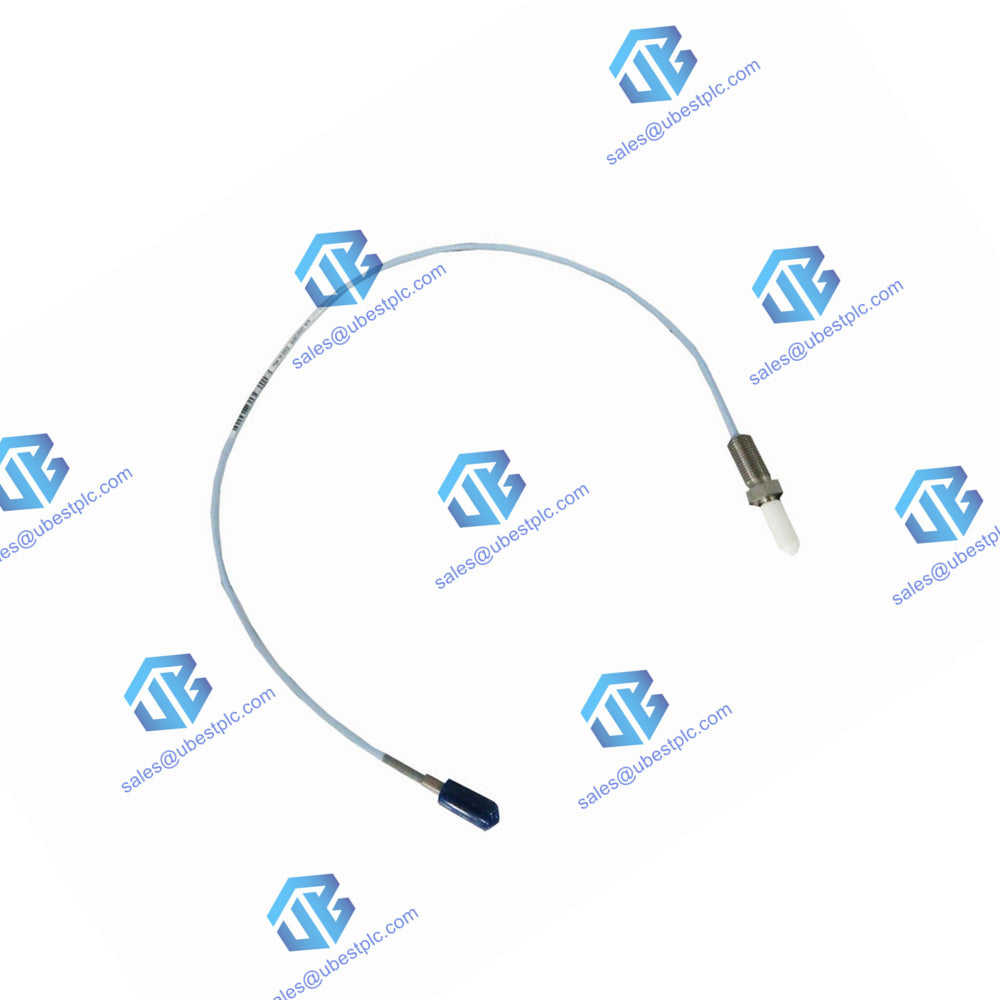
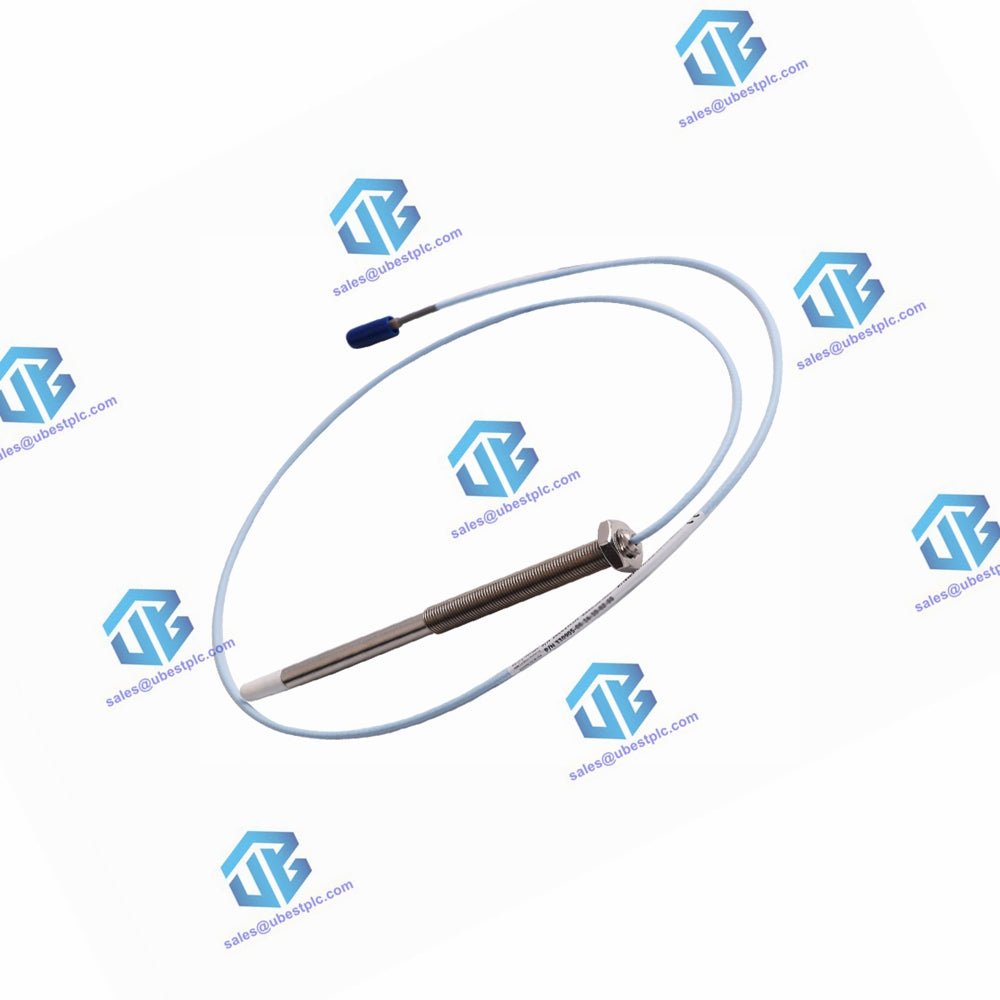
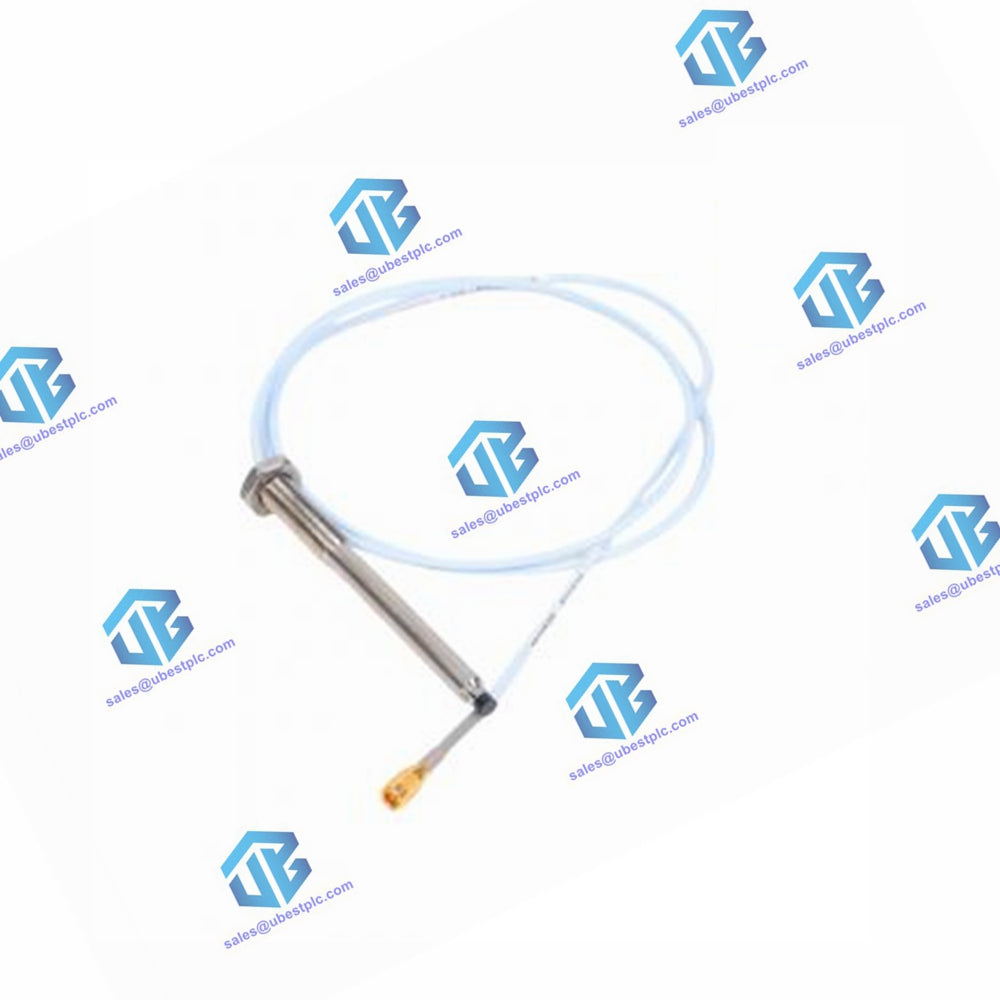
330905-05-08-10-12-00 | 3300 NSv Proximity Probe Bently Nevada
Manufacturer:
Bently Nevada
Product No.:
330905-05-08-10-12-00
Condition:
In Stock
Product Type:
3300 NSv Proximity Probe
Product Origin:
USA
Weight:
323g
Shipping port:
Xiamen
Warranty:
12 months
UBEST – Trusted Global Automation Parts Supplier
We offer a wide range of in-stock industrial automation spare parts. All products come with a 12-month warranty and a 30-day refund for quality issues.
Bently Nevada 3300 NSv Proximity Probe (330905-05-08-10-12-00)
Superior chemical resistance for demanding applications. This Bently Nevada 3300 NSv probe features FluidLoc cable and enhanced side-view performance. New in factory packaging with 12-month warranty.
Key Advantages
- Chemical-resistant design for harsh environments
- FluidLoc cable prevents oil migration
- Improved side-view characteristics vs 3000-series probes
- Wide temperature range: -52°C to +177°C
- ClickLoc connector for secure connections
Complete Model Breakdown
- 330905 → 3300 NSv Probe base model
- 05 → 50mm unthreaded length
- 08 → 80mm case length
- 10 → 1.0 meter cable
- 12 → ClickLoc with FluidLoc cable
- 00 → Standard approvals
Technical Specifications
- Thread Size: M10×1
- Probe Resistance: 4.2Ω ±0.5
- Linear Range: 0.25-1.75mm (10-70 mils)
- Frequency Response: 0-10kHz (±3dB)
- Minimum Target: 8.9mm diameter
- Bend Radius: 25.4mm minimum
- Torque Rating: 7.5N•m recommended
Shipping & Support
- Fast global shipping: FedEx, UPS, DHL
- 12-month warranty
- Original factory packaging
Technical Questions
- Q: How does chemical resistance compare to RAM probes?
- A: NSv offers significantly better resistance to process chemicals.
- Q: What's the advantage of improved side-view?
- A: More accurate measurements when probes are offset.
- Q: Can I use this in high-pressure applications?
- A: Yes, but contact us for pressure testing options.
- Q: Is the FluidLoc cable repairable?
- A: No, the cable assembly must be replaced if damaged.
- Q: What's the lifespan in chemical environments?
- A: Typically 3-5 years depending on chemical exposure.