


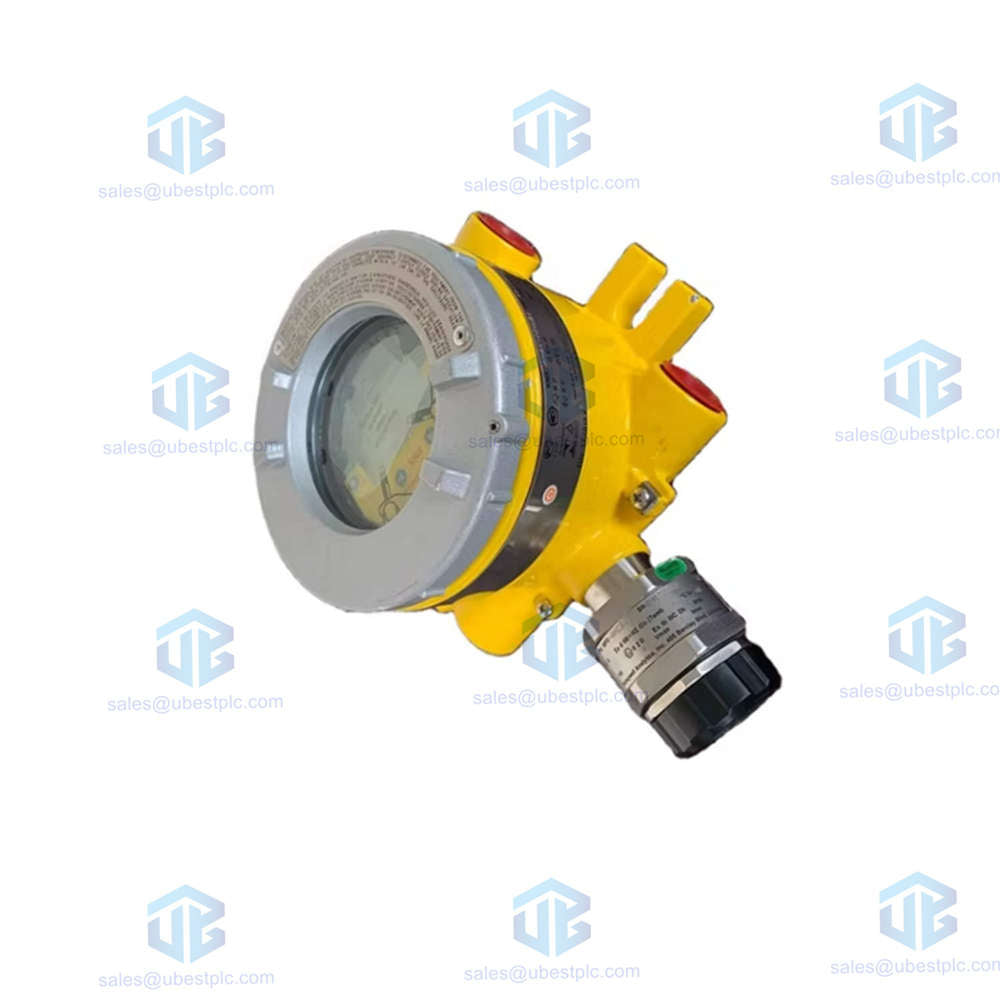
Honeywell XNX-AMAV-NNCB1 XNX Universal Transmitter
UBEST – Trusted Global Automation Parts Supplier
We offer a wide range of in-stock industrial automation spare parts. All products come with a 12-month warranty and a 30-day refund for quality issues.
Product Overview
The Honeywell XNX-AMAV-NNCB1 functions as an advanced universal gas transmitter designed for hazardous industrial environments. This unit integrates seamlessly with catalytic bead sensors to measure flammable gases efficiently. Industrial facilities deploy this platform to monitor safety compliance across distributed control networks.
Technical Specifications
- Brand: Honeywell
- Model / Part Number: XNX-AMAV-NNCB1
- Product Series: XNX Universal Transmitter
- Measurement Range: 0 to 100% LFL/LEL (Catalytic Bead)
- Frequency Response: Real-time continuous analog output tracking
- Sensitivity: High precision for combustible gas detection
- Linearity: ±2% of full scale across standard operating range
- Resolution: 1% LEL increments via local display and HART output
- Temperature Range: -40°C to +65°C (-40°F to +150°F)
- Environmental Tolerance: 20% to 90% RH (non-condensing)
- Interference Immunity: RFI/EMI protected circuitry for heavy industrial zones
- Enclosure Material: LM25 painted aluminum (M25 entry type)
- Certifications: ATEX, IECEx, INMETRO
- Weight: 5 Kg
Installation & Wiring Guide
- Mount the aluminum enclosure securely to a rigid vertical surface or pipe bracket using certified hardware.
- Route incoming power and signal cables through the M25 cable entries using appropriate explosion-proof glands.
- Terminate shield wires to the internal earth grounding lug to prevent electrical noise interference.
- Verify power supply voltage matches transmitter requirements prior to initial energization.
- Perform a complete loop check on the 4-20mA analog output before connecting to safety PLCs.
Commissioning & Maintenance
- Connect a HART handheld communicator to the local port for fast device configuration and diagnostics.
- Execute zero and span calibration routines using certified calibration gas mixtures annually.
- Inspect the catalytic bead sensor head periodically for dust accumulation or silicone poisoning.
- Replace plug-in sensor modules quickly in the field without cutting main power in non-hazardous zones.
- Review internal diagnostic error codes on the local LCD screen to identify communication faults instantly.
Compatibility & System Integration
- Interfaces directly with industry-standard PLCs and distributed control systems via 4-20mA loops.
- Supports digital communication protocols including HART overlay for remote asset management.
- Combines natively with Honeywell Searchline Excel, Optima, and generic analog gas sensors.
- Integrates into existing safety bus networks using optional Modbus or Fieldbus communication cards.
Global PLC Spare HUB Logistics & Warranty
- Shipping Carriers: FedEx, UPS, and DHL express services available worldwide.
- Processing Time: Orders dispatch securely within 24-48 hours from confirmation.
- Warranty Terms: Backed by a comprehensive 12-month operational warranty.
Typical Applications
- Oil and gas upstream production platforms and downstream refineries.
- Chemical processing plants handling flammable solvents and hydrocarbons.
- Wastewater treatment facilities prone to combustible methane accumulation.
- Power generation stations utilizing natural gas turbine enclosures.
Frequently Asked Questions
How do I resolve a sensor fault error code on the local display?
Check the physical wiring connection between the sensor head and the main board. If wiring remains secure, replace the degraded catalytic bead sensor module.
Can this transmitter operate in extreme sub-zero weather conditions?
Yes. The engineered LM25 aluminum housing and internal circuitry support reliable operation down to -40°C.
What is the recommended calibration interval for the catalytic sensor?
Engineers should perform functional bump tests monthly and full span calibrations every six to twelve months depending on site exposure.
Is it possible to upgrade communication protocols later?
Yes. The modular architecture allows operators to add optional local HART adapters, Modbus, or relay boards as plant requirements evolve.
How should I select the right transmitter variant for my facility?
Evaluate your specific gas type, required enclosure material, local hazardous area approvals, and existing control system inputs before ordering.